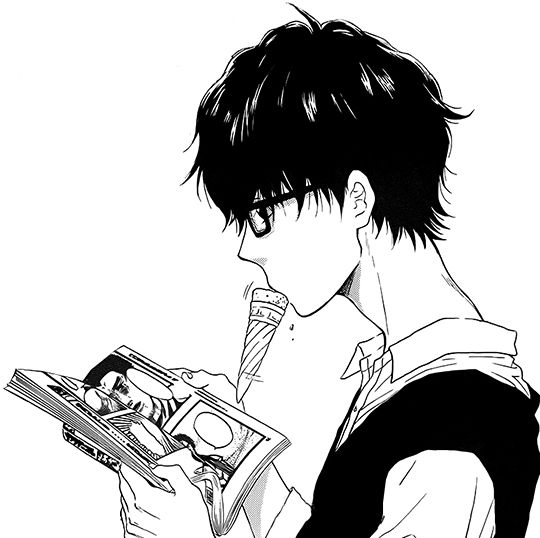
How you read matters as much as what you read. How I read varies. If I’m reading Spice and Wolf or other fiction, I just read. If I’m reading nonfiction, my approach depends on my goals. No matter what I’m reading, I try to read on a schedule. Reading, like so many other practices, requires discipline. Sure, it is fun. I’ve loved reading since I began reading around four years old. But with how many distractions we have now–phones, streaming, video games, social media–reading needs to be scheduled and made into a practice or you will fall out of it. Just like every practice, such as exercise, you will sometimes need to take a break. I take a break after reading heavy books, like The Rape of Nanjing, easing back into books using lighter fiction. I try to read before sleeping Monday through Friday. On weekends, I either don’t read, making time for my other interests, or I take an afternoon for a deep reading binge.
If I’m reading a nonfiction book for my own edification, I don’t take notes. I skip chapters that don’t interest me or topics I’ve read about many times before. I also skip anecdotes and stories that illustrate the concepts of the book, preferring the concepts themselves and the data behind them. And, if the book spends a lot of time with sports-related anecdotes or illustrations, I often abandon the book. Sports bore me, so such illustrations confuse me, don’t work as metaphors, or simply make me stop reading. In the past, I used to soldier through a book I didn’t like or felt meh toward, but time is short, so with those types of nonfiction books, I will skim and pull the information that interests me and then abandon the book.
Now if I’m reading a nonfiction book for research, with the goal of using the information for my own writing project, I will read only the relevant chapters and sections, unless the entire book interests me, which is usually the case. I prefer to take notes using pen and paper instead of on the computer if I will be spending a lot of time researching. Piles of notebooks filled with research notes pile on my writing desk. Why take such an old-school approach? If I’m researching for a JP article, which are much shorter, I will take notes on my laptop. But I prefer the old-school method because it’s how I grew up learning. I remember the world before the internet and computers were everywhere (and before they were even available in schools). Also, research has repeatedly shown writing notes and other information by hand solidifies learning compared to typing. If you want to truly learn a topic, you do it by hand using pen and paper. While I don’t have a photographic memory, when I recall my handwritten notes, I remember the layout, sketches, and overall look of each page. I then mentally find the information on each page. This sort of location-based mapping doesn’t happen when you use digital note taking methods. Everyone does this sort of mapping to greater or lesser degrees when they use analog methods, using the brain’s spacial navigation systems to help with recall. Doodles, even if you just use drawn arrows, also improve memory, learning, and focus. You don’t have to be an artist. Even stick figures illustrating the concepts you are noting improve your learning. My handwriting can sometimes get messy, as you can see below, but you should try to keep your handwriting as legible as possible. You may need to work to improve the quality of your handwriting. Generally, cursive writing is faster than print writing. Working out your own shorthand system can also help your hand follow the speed of your thinking a bit better, but the slower speed of handwriting compared against typing also helps you think through the materials better.
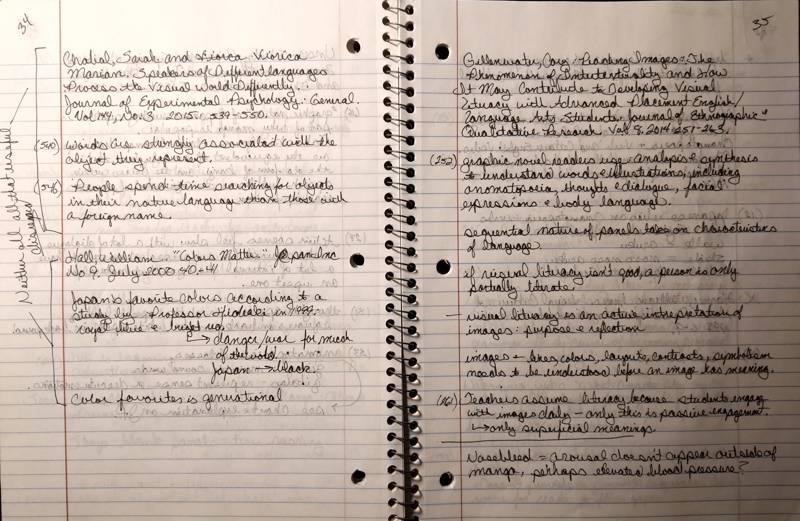
When I’m writing notes, I don’t worry about the organizations or try to force the information into an outline. That step happens later when it’s needed. On the top of the section, I write a citation in a simplified version of the American Psychological Association (APA) style. Why APA? It’s what I’m most familiar with. Use whatever works for you. Below the citation, I write, in my own words, the ideas that grab me as I read. Whenever I find a quotation that may come in handy, I will write it down verbatim, marking it as a quote. The key to avoid plagiarism is to write your own understanding of the information you read. Inevitably, your notes will reflect the words the book uses, but the act of using your notes for your writing gives you further distance from the original text, which reduces the risk of inadvertent plagiarism.
According to Merriam-Webster, to plagiarize is “to steal and pass off (the ideas or words of another) as one’s own.”
Beside each idea, I jot down in the margins the page the idea is found. This helps me if I need to look the idea up again later and for when I include a footnote for the idea. Some styles of footnotes require a page number. As I read and take notes, I allow the information to flow in whatever order the book presents it, including writing down duplicate ideas or my impressions. My impressions about the subject helps me understand my own thoughts later. Sometimes I won’t return to my notes for several years! There’s no way I can know what I was thinking or what grabbed my attention after so long a time.
If I’m working on a book-length project, I will sometimes have a hundred pages or more of notes. I aim to exhaust the information sources I can find. At the top of each page, I number the page. On a separate sheet I number the lines and then on each line I summarize in a few words each page of my notes. From this index I then build an outline if the project demands it. The index allows me to find the information in my notes easily. Building an outline from the index is also easy because all the information sits on a sheet or two compared to leafing through various notebooks or a hundred pages.
This seems like a lot, especially if you are writing an article about anime. Many of my articles here in JP, as you’ve no-doubt seen, have many references. There’s no way to read these sources and then write by the seat of your pants while being accurate. Writing directly from the sources increases your risk of plagiarizing by accident. Beyond that, note taking helps me read deeper, looking for how the author connects the ideas together, and note taking forces me to consider how the information fits into my own understanding of the topic. Whenever I take notes while reading, I retain what I read better, even when I am making digital notes. Some people prefer to take notes within the book. I use the notebook method because it allows me to centralize information from multiple books. But if you prefer margin notes, do what works for you.
I don’t expect to retain most of what I read, even when I take notes. If I come away with a single new idea, the book was worth reading. Although I remember a fraction of what I read, I’m reminded of a quote from Ralph Waldo Emerson:
I cannot remember the books I’ve read any more than the meals I have eaten; even so, they have made me.